


A wide or square-looking jawline is not always related to bone structure or body fat. In many cases, it comes down to the size of the masseter muscle, the muscle responsible for chewing. When this muscle becomes enlarged, it can create a fuller, more squared lower face that some patients want to soften without surgery. Masseter Botox has become a popular non-surgical solution for this concern, offering a way to gradually slim the jawline by relaxing the muscle itself.
Beyond the cosmetic benefit, many patients also notice relief from jaw clenching and teeth grinding, two habits that are closely tied to an overactive or enlarged masseter muscle. Many patients seek Masseter Botox for both aesthetic refinement and relief from jaw clenching or teeth grinding. Understanding how the treatment works, who it suits, and what results to expect can help you decide whether it is the right option for your goals.
What Is the Masseter Muscle?
The masseter muscle is one of the primary muscles used for chewing. It is located on either side of the lower face, running from the cheekbone down to the angle of the jaw. Because it is used constantly throughout the day during eating, talking, and even unconscious habits like clenching, it tends to be one of the stronger and more developed muscles in the body relative to its size.
Several factors can cause the masseter to become enlarged over time. Genetics play a significant role, with some people naturally having a more developed masseter muscle that contributes to a wider jaw appearance from a young age. Habitual teeth grinding, known as bruxism, and chronic jaw clenching, often related to stress, can also cause this muscle to grow larger through repeated overuse, similar to how any muscle in the body strengthens and enlarges with consistent activity.
When the masseter becomes enlarged, it can create a noticeably wider, more square-shaped lower face. For some patients, this look is simply part of their natural facial structure. For others, it represents a change that has developed gradually due to grinding or clenching habits, often without them realizing the muscle itself was the cause.
Also Read: Common Preferred Treatment Areas for Preventative Botox in Your 20s and 30s
How Masseter Botox Creates a More Contoured Jawline
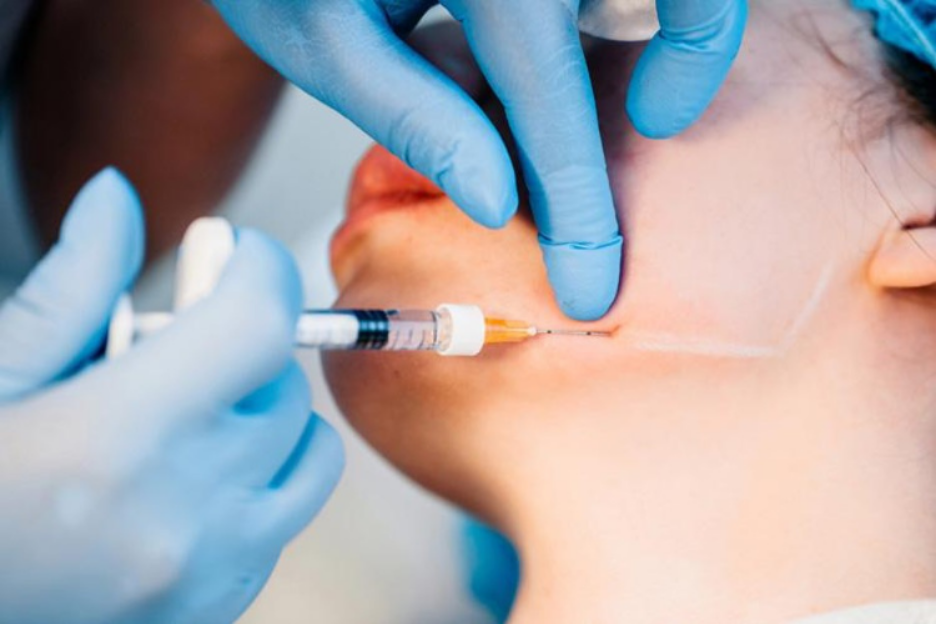
Masseter Botox works by injecting a neuromodulator directly into the masseter muscle, temporarily reducing the nerve signals that trigger muscle contraction. With less frequent and less forceful contraction, the muscle is used less intensely over time, which causes it to gradually decrease in size.
This process does not happen immediately. As the muscle relaxes and is used less aggressively during everyday activities like chewing, it begins to atrophy slightly, becoming smaller over time. Over the course of several weeks to a few months, this gradual reduction in muscle bulk creates a slimmer, more tapered appearance along the lower face, often described as a more V-shaped or oval facial contour.
It is important to understand that Masseter Botox is contouring the muscle itself, not removing fat or altering bone structure. This is purely a muscle-based treatment, which means candidates with enlarged masseter muscles tend to see the most noticeable results, while patients whose facial width comes primarily from bone structure or fat distribution may not see the same dramatic change.
Who Is a Good Candidate for Masseter Botox?
Masseter Botox is best suited for patients whose wider jawline appearance is primarily caused by an enlarged masseter muscle rather than excess fat or a naturally broad bone structure. A trained provider can assess this during a consultation, often by having the patient clench their jaw to evaluate how much the muscle bulges and how it contributes to the overall facial shape.
Patients interested in a non-surgical approach to jawline slimming are excellent candidates, as the treatment offers a gradual, low-commitment alternative to more invasive procedures like jaw reduction surgery. There is no incision, no anesthesia beyond the injections themselves, and no extended recovery period.
Patients who clench or grind their teeth, whether due to stress, sleep habits, or an unconscious daily pattern, are also strong candidates. For these patients, Masseter Botox often provides relief from jaw soreness, tension headaches, and the wear on teeth that comes from chronic grinding, in addition to the aesthetic benefit of a slimmer jawline.
Because facial anatomy and muscle development vary from person to person, a consultation is necessary to determine whether Masseter Botox is appropriate. Your provider will evaluate muscle size, facial structure, and your treatment goals before recommending a plan. A provider will evaluate muscle size, facial structure, and the patient's specific goals before recommending a treatment plan.
What to Expect During Treatment
A Masseter Botox appointment begins with a facial assessment, during which the provider evaluates the size and strength of the masseter muscle, often asking the patient to clench their jaw to better visualize the muscle's contribution to facial width. This assessment helps determine the appropriate dosage and injection points for the most effective and balanced result.
The treatment itself is quick, typically taking between fifteen and twenty minutes. A series of small injections is placed directly into the masseter muscle on each side of the face. Most patients describe the discomfort as minimal, often comparing it to a brief pinch, and no significant downtime is required afterward.
Patients can usually return to their normal activities immediately following treatment. Some mild soreness in the jaw area is possible for a day or two, similar to the feeling after an intense workout, but this typically resolves quickly on its own.
Results from Masseter Botox are gradual rather than immediate. Patients often notice some improvement in jaw tension within the first week or two, but the visible slimming of the jawline tends to appear over several weeks as the muscle decreases in size with reduced use. Full contouring results are typically most noticeable around the eight to twelve week mark, once the muscle has fully responded to the reduced activity.
Also Read: How to Know If You’re Ready for Injectables (And When to Wait)
How Long Do Results Last?
Masseter Botox results generally last between four and six months, though this can vary depending on the individual. Because the treatment works by reducing how forcefully the muscle is able to contract, results tend to last slightly longer in this area compared to neuromodulator treatments used for expression lines elsewhere on the face.
Maintenance treatments are recommended to sustain the slimmer jawline appearance over time. With consistent treatment, many patients find that the masseter muscle becomes smaller overall after repeated sessions, sometimes allowing for longer intervals between touch-ups as the muscle adapts to reduced use.
Several factors influence how long results last, including the natural strength of the patient's masseter muscle, how frequently they clench or grind their teeth, and individual metabolism. Patients with strong grinding habits may metabolize the treatment differently or notice muscle activity returning a bit sooner than patients without that habit, which is something a provider can account for when planning follow-up appointments.
Masseter Botox vs. Jawline Fillers: What's the Difference?
Masseter Botox and jawline fillers address very different concerns, even though both are sometimes discussed in the context of jawline aesthetics.
Masseter Botox is the better option when the goal is to slim or reduce the width of a square-looking jaw caused by an enlarged masseter muscle. It works by relaxing and gradually shrinking the muscle itself, which makes it ideal for patients who feel their jawline looks too wide or bulky, particularly when clenching.
Dermal fillers, on the other hand, are typically recommended when the goal is the opposite: adding definition or structure to a jawline that lacks projection or appears weak or undefined. Filler is often used along the jawline to create a more sculpted, sharper appearance in patients who want added contour rather than a reduction in width.
Some patients benefit from combining both treatments for overall facial balance. For example, a patient with an enlarged masseter muscle on one side and a less defined jawline elsewhere might use Masseter Botox to slim the bulky area while using filler to add subtle structure where it is lacking. This combination approach allows for a more customized, proportionate result tailored to the patient's unique facial structure.
Frequently Asked Questions
Will Masseter Botox change the way I chew?
Masseter Botox is dosed conservatively to relax the muscle without significantly affecting normal chewing function. Most patients can eat normally throughout treatment, though some may notice slightly less force when chewing tougher foods during the period when the muscle is most relaxed.
Does the treatment help with TMJ symptoms or teeth grinding?
Many patients experience relief from jaw tension, clenching, and grinding-related discomfort as a secondary benefit of treatment. By reducing how forcefully the masseter muscle can contract, the treatment often eases the soreness and tension associated with chronic clenching, though it should not be considered a substitute for evaluation by a dental or TMJ specialist if symptoms are severe.
How many units are typically needed?
The number of units needed varies depending on the size and strength of the patient's masseter muscle, which is why a personalized assessment during consultation is essential. Patients with larger or more developed muscles, often related to grinding habits, may require more units than those with naturally smaller muscle mass.
Can I combine Masseter Botox with forehead or crow's feet treatment?
Yes. Masseter Botox is commonly combined with treatment in other facial areas, such as the forehead or crow's feet, during the same appointment. Many patients choose to address multiple areas at once for a more comprehensive approach to their overall facial appearance.
How soon will I notice jawline slimming after Masseter Botox?
Most patients begin noticing changes within several weeks, with the full contouring effect typically becoming visible around two to three months as the masseter muscle gradually becomes smaller.
Also Read: Botox in West Hollywood: What to Know Before You Book
A Slimmer Jawline Without Surgery
Masseter Botox offers a non-surgical way to soften a wide or square jawline by addressing the muscle itself rather than bone or fat. For appropriate candidates, the treatment can create a gradually slimmer, more contoured lower face while also providing relief from jaw clenching and teeth grinding, making it a treatment with both aesthetic and functional benefits.
As with any injectable treatment, the best results come from a personalized plan built around your specific facial anatomy, muscle strength, and aesthetic goals. A thorough consultation allows your provider to determine whether your concerns are primarily muscle-related and to design a treatment approach suited specifically to your face.
Interested in learning whether Masseter Botox is right for you? Schedule a consultation at Rejuvify Medspa. Your provider can evaluate your facial anatomy, discuss your goals, and determine whether Masseter Botox is an appropriate option for jawline contouring or relief from jaw clenching and teeth grinding.