


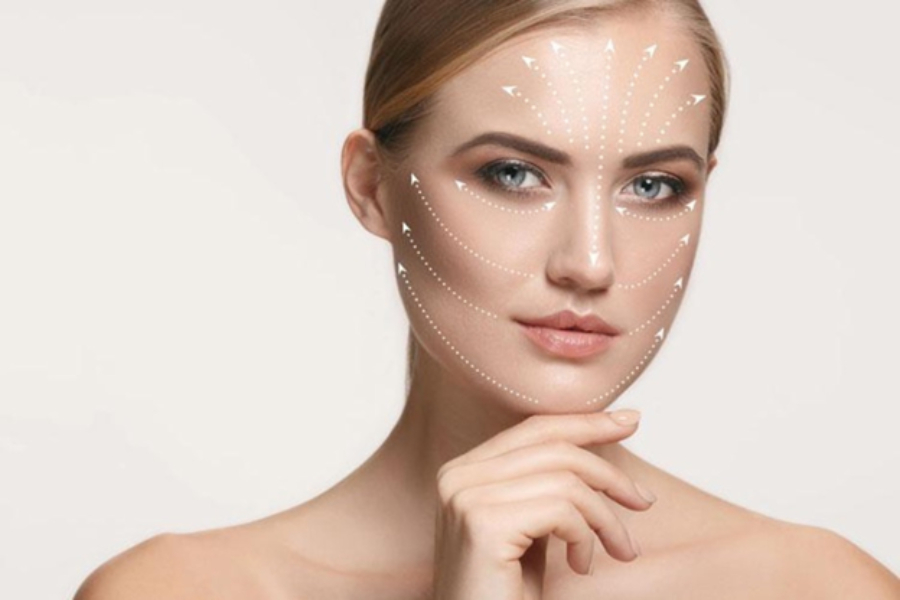
Botox has long been associated with treating wrinkles that have already formed. But over the past several years, a growing number of younger patients have started approaching it differently. Rather than waiting for lines to become established, many adults in their 20s and 30s are choosing to address the muscle movements that cause those lines before they have a chance to set in.
This approach, often called preventative Botox, has become one of the most discussed topics in aesthetic medicine. It is not about changing the way a young face looks. It is about slowing a process that is already underway and maintaining results that feel natural for longer. Understanding which areas are most commonly treated and why can help younger patients make more informed decisions about whether this approach makes sense for them.
What Is Preventative Botox?
Preventative Botox refers to the use of neuromodulator injections to reduce repetitive muscle movement before fine lines and wrinkles become deeply established in the skin. Rather than correcting visible damage, the goal is to limit the ongoing movement that causes that damage over time.
Corrective Botox is used to soften lines that are already present, including lines visible at rest. Preventative Botox is typically used on patients who see lines during expression but not yet at rest, or who want to slow the development of lines in areas where they have a family history or strong muscle activity.
The reason younger adults are seeking treatment earlier comes down to a simple understanding of how wrinkles form. Every time a facial muscle contracts, it folds the skin above it. Over years of repeated folding, those folds eventually stay even when the muscle relaxes. Starting Botox before that transition happens may help reduce the repetitive muscle activity that contributes to line formation over time.
Also Read: Botox in West Hollywood: What to Know Before You Book
Forehead Lines
The forehead is one of the most commonly treated areas for preventative Botox, and for good reason. The frontalis muscle, which runs across the forehead, is responsible for raising the eyebrows. This is a muscle most people use constantly, often without realizing it, during conversation, concentration, surprise, and even casual expression.
Over time, the repeated upward movement of the brows creates horizontal lines across the forehead. In younger patients, these lines are often only visible during expression. Botox can reduce the intensity of repetitive forehead movement, which may help slow the development of deeper forehead lines over time.
For patients in their 20s who already notice faint forehead lines during expression, preventative treatment in this area is one of the most practical first steps.
Frown Lines (The "11s")
The glabellar lines, commonly referred to as the 11s, are the vertical lines that form between the eyebrows during frowning, concentrating, or squinting. These lines are caused by the corrugator and procerus muscles, which pull the brows inward and downward.
This muscle group tends to be strong in many patients, and the 11s are often one of the first areas where lines begin to appear at rest rather than only during expression. Once these lines become static, meaning visible even without making a face, they can be more difficult to fully smooth out.
Preventative Botox in this area is particularly popular because the results are noticeable and the treatment is well tolerated. Patients who address the 11s early often find they can maintain a smoother appearance between the brows for years with consistent treatment.
Crow's Feet
The skin around the outer corners of the eyes is thinner and more delicate than almost anywhere else on the face. It is also constantly in motion. Smiling, squinting, laughing, and even blinking all involve muscle activity that folds this area repeatedly throughout the day.
Crow's feet can be among the earliest dynamic lines some patients notice, particularly in individuals with expressive facial movement or significant sun exposure. Because the skin here has less collagen support than other areas of the face, it tends to show the effects of repetitive movement earlier.
Preventative Botox around the eyes softens the contraction of the orbicularis oculi muscle, reducing the intensity of the folding that creates these lines. Patients in their 20s who already notice lines fanning out from the corners of their eyes during expression are often good candidates for early treatment in this area.
Bunny Lines
Bunny lines are the small wrinkles that appear on the sides of the nose when scrunching or smiling. They are caused by the nasalis muscle and tend to develop gradually through habitual facial movement.
While bunny lines are often thought of as a secondary concern compared to forehead lines or crow's feet, they are worth addressing preventatively for patients who notice them frequently or who have a strong scrunching habit. Because this area involves a relatively small muscle, the amount of Botox needed is minimal, and the treatment is quick.
For patients who are already treating other areas, adding bunny lines to the treatment plan may help create a more balanced upper-face result when clinically appropriate.
Brow Area
Subtle Botox treatment in the brow area has become increasingly popular among patients in their 30s who want to maintain a refreshed, open appearance without dramatic change. As the skin loses elasticity over time, the brows can begin to sit slightly lower, which can make the eyes look heavier or more tired even when a person is well rested.
Small amounts of Botox placed strategically around the brow can help relax the muscles that pull the brows downward, reducing the influence of muscles that pull the brows downward. The result is a subtle lift that preserves natural expression while keeping the eye area looking more open.
This is not a dramatic brow arch or a pulled look. Done conservatively, brow treatment with Botox is one of the more understated ways to maintain a youthful appearance in the upper face.
Lip Area
Vertical lip lines, sometimes called smoker's lines, develop from the repeated contraction of the orbicularis oris muscle around the mouth. Speaking, drinking, and general facial movement all contribute to this over time. Patients who notice early vertical lines above the upper lip or who want to prevent them from forming can benefit from conservative Botox treatment in this area.
A related treatment, the lip flip, uses a small amount of Botox along the upper lip border to relax the muscle and allow the lip to roll slightly outward. This creates the appearance of more upper lip without adding volume. For some patients seeking subtle upper-lip enhancement, a lip flip may be discussed as part of an overall treatment plan..
Also Read: How to Know If You’re Ready for Injectables (And When to Wait)
Choosing the Right Treatment Areas
Not every patient in their 20s or 30s needs Botox in all of these areas. The right combination depends on individual factors including facial anatomy, the strength and habits of specific muscles, genetic tendencies, and personal goals.
Some patients have a strong family history of deep forehead lines and make that their priority. Others are most bothered by early crow's feet or the 11s. A personalized treatment plan is built around what is actually happening in the patient's face, not a standard checklist of areas.
Lifestyle habits also matter. Patients who spend significant time in the sun, have high stress levels, or make very expressive facial movements may develop lines faster in certain areas. A thorough consultation takes all of these factors into account before recommending where to focus.
Why a Conservative Approach Matters
One of the most common concerns younger patients have about starting Botox is the fear of looking frozen or unnatural. This concern is understandable, but it is also largely avoidable with the right provider and approach.
Preventative Botox is most effective when it is done conservatively. The goal is not to eliminate movement but to reduce its intensity in areas where repetitive folding is causing long-term skin stress. A well-placed, appropriately dosed treatment should leave the face looking like a natural, rested version of itself rather than an altered one.
Younger patients often require fewer units than patients seeking correction of more established lines, though treatment needs vary by individual. Starting low and adjusting based on how the patient responds is standard practice for preventative treatment. The results should look like nothing happened, which is the point.
At Rejuvify Med Spa, the focus is on treatments that enhance without overcorrecting. Every plan is built around the individual's facial anatomy, muscle behavior, and aesthetic goals, with natural-looking results as the consistent priority.
Also Read: Early Signs of Aging: When Patients Start Botox Treatments
Starting Early, Looking Like Yourself
The most popular preventative Botox areas among patients in their 20s and 30s reflect the places where repetitive muscle movement does the most cumulative work over time: the forehead, the 11s, crow's feet, bunny lines, the brow area, and the lips. Addressing these areas early does not mean committing to aggressive treatment. It means making thoughtful, targeted decisions about where movement management can make the most meaningful long-term difference.
Treatment plans should always be individualized. What works for one patient may not be appropriate for another, and the right approach depends on a careful assessment of how your face moves, where lines are beginning to develop, and what your goals are.
If you are in your 20s or 30s and curious about whether preventative Botox is right for you, a consultation at Rejuvify Med Spa is the best place to start. Your provider can evaluate your facial anatomy, walk you through the areas most relevant to your concerns, and build a treatment plan tailored to your facial anatomy, concerns, and aesthetic goals.