


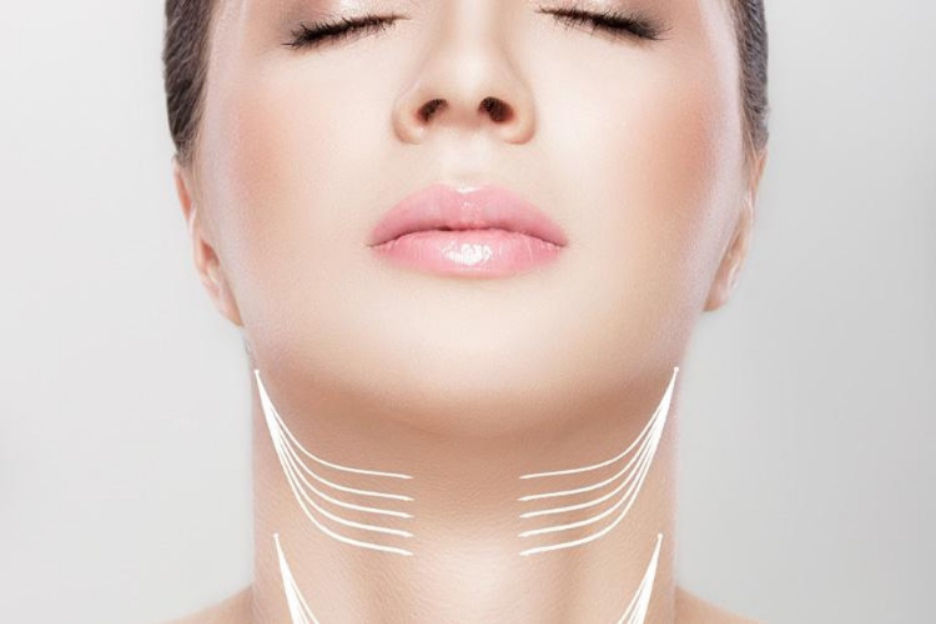
The neck is one of the first areas to show visible signs of aging, yet it is often overlooked in conversations about facial rejuvenation. For many patients, the concern is not wrinkles in the traditional sense but the vertical bands that begin to appear along the front of the neck, becoming more prominent with time and movement. These bands can make the neck look older than the rest of the face, even in patients who have otherwise maintained their appearance well.
BOTOX Cosmetic is FDA-approved to temporarily improve the appearance of moderate to severe platysma bands in adults. For appropriately selected patients, treatment can soften visible neck bands without surgery or significant downtime. At Rejuvify Med Spa, personalized Botox treatments are designed around each patient's anatomy and goals, with natural-looking rejuvenation as the consistent focus.
What Are Neck Bands?
Neck bands, clinically known as platysmal bands, are vertical cords that become visible along the front of the neck when portions of the platysma muscle contract. The platysma is a thin, broad muscle that extends from the upper chest across the neck and into the lower face. As the skin and supporting tissues change with age, the muscle’s borders and contractions may become more noticeable at rest or during movement.
Several factors can make these bands more visible. Age-related collagen loss and reduced skin elasticity make it easier to see the underlying muscle, while repeated platysma contraction can increase the prominence of the cords. Genetics, skin thickness, fat distribution, and individual muscle anatomy also influence when neck bands appear and how noticeable they become.
It is worth distinguishing between neck bands and loose or sagging skin. Platysmal bands are a muscle-based concern, meaning they are created by the behavior and position of the underlying muscle rather than by excess skin or fat. This distinction matters because it determines which treatments are most appropriate for each individual.
Also Read: Early Signs of Aging: When Patients Start Botox Treatments
How Botox Works for Neck Bands
Botox addresses neck bands by relaxing the platysma muscle directly. When injected into the bands themselves, the neuromodulator reduces the muscle's ability to contract with the same intensity, which causes the visible cords to soften and become less prominent over time.
As the platysma relaxes, the neck takes on a smoother appearance. Patients often describe the change as subtle but meaningful, noticing that the bands are less defined both at rest and during expression. Because the platysma contributes to downward tension along the lower face, treating it may also create a subtle improvement in jawline definition for some patients. This is a secondary effect, and the degree of change depends on the patient’s anatomy and the source of the jawline concern.
Results are always customized to the individual. The placement and dosage of Botox for neck bands depends on the size and strength of the patient's platysma, the visibility of the bands, and the overall goals of the treatment plan. No two patients will receive an identical approach, which is part of what allows results to look natural rather than uniform.
Who Is a Good Candidate?
Botox may be appropriate for adults whose platysmal bands are caused primarily by muscle activity rather than significant skin laxity or excess fat. BOTOX Cosmetic is FDA-approved for the temporary improvement of moderate to severe platysma bands associated with platysma muscle activity in adults. Candidates typically include those who notice visible vertical cords when they tense the neck or look in a mirror, but who do not yet have significant skin laxity or structural changes that would require a more involved approach.
Patients seeking non-surgical rejuvenation with little to no downtime are also well suited to this treatment. Because the procedure involves only a series of small injections, most people return to normal activities shortly afterward without the kind of recovery associated with surgical options.
Botox alone may not be sufficient for patients with significant loose skin, excess fat beneath the chin, or more advanced neck aging. In these cases, a consultation allows the provider to assess the full picture and recommend additional or alternative treatments that may be more appropriate. Botox can still be part of a broader treatment plan in some of these patients, but it is important to set realistic expectations about what it can and cannot address on its own.
What to Expect During Treatment
A Botox appointment for neck bands begins with a thorough consultation and assessment of the neck and lower face. The provider will evaluate the position and size of the platysmal bands, assess skin quality, and discuss the patient's goals before developing a customized injection plan.
Treatment is usually completed during a brief office visit. The number of injection sites and total appointment time depend on the number and severity of the bands being treated. Most patients tolerate the injections without significant discomfort, although individual experiences vary.
There is little to no downtime following treatment. Some patients experience mild tenderness or redness at the injection sites, but this typically resolves within a day or two. Most people are able to return to their normal routine shortly after leaving the appointment, making this a convenient option for patients with busy schedules.
Also Read: Why Botox Results Vary From Patient to Patient
When Will You See Results?
Botox results for neck bands do not appear immediately. Some patients notice early softening within several days, while results are generally assessed around two weeks after treatment. Results are temporary and may remain noticeable for several months, although the duration varies with muscle strength, dose, anatomy, and individual response.
Many patients consider another treatment after approximately three to four months, although individual timelines vary. Treatments should be scheduled according to your provider’s assessment and should not be administered more frequently than recommended.
Can Botox Improve the Jawline?
Because the platysma attaches to the lower face, its downward pull can contribute to a less defined jawline in some patients. When Botox relaxes this muscle and reduces that downward tension, the lower face can appear slightly more lifted and defined as a result.
This effect is a secondary benefit rather than the primary goal of neck band treatment, and the degree of improvement varies from patient to patient depending on individual anatomy. Patients with mild jawline softening related to platysmal pulling may notice a more refreshed lower-face appearance following treatment. Those with more significant structural changes to the jawline are unlikely to see dramatic results from neck Botox alone and may be better served by a combination approach discussed during consultation.
Realistic expectations are important here. Botox for neck bands creates subtle, natural improvement rather than a dramatic transformation, which is part of what makes results look appropriate and proportionate to the rest of the face.
What Botox Cannot Treat
Botox is specifically designed to address muscle-related concerns, which means there are certain neck changes it is not able to correct.
Significant loose or sagging skin along the neck is a structural concern that goes beyond what a neuromodulator can address. Similarly, excess fat beneath the chin, often called a double chin, is a volume-related issue that requires a different type of treatment entirely. Horizontal neck lines are different from vertical platysmal bands and may be influenced by skin folding, movement, anatomy, and age-related skin changes. Treating the platysma is not designed to correct these lines directly.
For patients with these concerns, a consultation helps identify which treatments are most appropriate, whether that means a different injectable option, an energy-based skin tightening treatment, or a referral to discuss surgical options for more advanced cases.
Why Choosing an Experienced Injector Matters
The neck is a more complex treatment area than it might initially appear. An experienced injector understands how to place the product superficially and accurately while avoiding deeper structures. Appropriate patient selection, dosing, and injection depth are important because unwanted spread or excessive muscle weakening can contribute to swallowing difficulty, voice changes, or neck weakness. Before treatment, patients should discuss any history of swallowing problems, neuromuscular conditions, previous neck surgery, medications, and other relevant health concerns with their provider. Patients should seek prompt medical attention if they experience difficulty swallowing, speaking, or breathing after treatment.
Also Read: Common Preferred Treatment Areas for Preventative Botox in Your 20s and 30s
Frequently Asked Questions
Does Botox for neck bands hurt?
Most patients find the discomfort minimal. The injections are placed using fine needles, and the sensation is typically described as a brief pinch at each injection site. No significant numbing or anesthesia is required for most patients.
How many Botox units are typically needed?
The number of units varies depending on the size and strength of the patient's platysmal bands and how many bands are being treated. A personalized assessment during consultation is the best way to determine the appropriate dosage for each individual.
Can Botox be combined with other aesthetic treatments?
Yes. Botox for neck bands is frequently combined with other treatments, including neuromodulator injections in the face, skin tightening treatments, or dermal fillers, depending on the patient's overall goals and what the provider recommends based on the consultation.
How often will maintenance treatments be needed?
Some patients consider another treatment after approximately three to four months, although the appropriate timing varies. Your provider will recommend a maintenance schedule based on your response to treatment, and treatments should not be administered more frequently than recommended.
Are there any activity restrictions after treatment?
Aftercare instructions vary by provider and treatment plan. You may be advised to avoid rubbing the treated area, strenuous exercise, or certain activities for a short period. Follow the specific instructions provided after your appointment.
A Smoother Neck Is Within Reach
Botox can effectively soften vertical neck bands and create a smoother, more youthful-looking neck for patients who are appropriate candidates. It is a targeted, non-surgical option that addresses the muscle behavior responsible for these bands, producing gradual and natural-looking improvement with minimal disruption to daily life.
As with any injectable treatment, results are most reliable when they come from a personalized plan built around your specific anatomy and goals. A consultation is the best first step toward understanding whether Botox for neck bands is the right approach for what you are noticing and what you are hoping to achieve.
Schedule a personalized Botox consultation at Rejuvify Med Spa to learn whether neck band treatment can help you achieve a smoother, more youthful neck.