


Non-surgical cosmetic treatments have become one of the most popular ways to refresh the face without surgery. Many patients want to look more rested, smooth early lines, or restore youthful facial contours, but they are not interested in invasive procedures or long recovery times. Injectable treatments have helped make that possible by offering targeted aesthetic improvements in quick office visits that fit more easily into modern schedules.
Botox and dermal fillers are among the most well-known cosmetic injectables, but they do not do the same job. Some treatments are designed to soften expression lines caused by repeated muscle movement, while others help restore volume that naturally decreases over time. Together, they can help reduce wrinkles, improve facial balance, and enhance contour in a way that looks natural rather than dramatic. That balance matters because most patients are not looking to completely change their faces. They want to look refreshed, less tired, and more confident while still looking like themselves.
At Rejuvify Med Spa, patients have access to advanced injectable treatments, including Botox®, neuromodulators, hyaluronic acid fillers, and collagen-stimulating injectables. Treatment plans are personalized based on facial anatomy, skin quality, aesthetic goals, and the changes a patient is beginning to notice over time. This individualized approach helps preserve natural facial harmony while addressing concerns such as forehead lines, crow’s feet, lip volume, cheek support, and jawline definition.
If you are researching Botox in Los Angeles options or trying to understand the difference between dermal fillers, facial fillers, neuromodulators, and other cosmetic injectables, this guide can help. The goal is to explain how these treatments work, what concerns they address, what to expect during treatment, and how to decide which approach may be right for you.
Cosmetic injectables are non-surgical treatments used to improve facial appearance by addressing common signs of aging, such as wrinkles, volume loss, and changes in skin texture. These treatments involve carefully injecting specialized solutions into the skin or underlying muscles to achieve targeted, natural-looking results without surgery.
Rather than relying on a single approach, cosmetic injectables work in different ways depending on the concern being treated. Some focus on reducing muscle movement that causes expression lines, while others restore volume or support the skin’s structure over time. This versatility is what allows providers to customize treatment plans based on each patient’s facial anatomy and goals.
There are three main categories of cosmetic injectables, and each plays a distinct role in facial rejuvenation.
Wrinkle relaxers such as Botox soften expression lines by reducing muscle activity. These treatments are commonly used to address dynamic wrinkles caused by repeated facial movements, such as frowning, squinting, and smiling.
Gel-like substances are injected beneath the skin to restore lost volume, smooth deeper lines, and enhance facial contours. These facial fillers are often used in areas such as the lips, cheeks, and jawline to support structure and improve balance.
Injectables that stimulate collagen production over time, supporting gradual skin rejuvenation and improved firmness. Instead of creating immediate volume, these treatments help strengthen the skin’s foundation and progressively improve texture.
Because aging affects the face in multiple ways, including muscle movement, volume loss, and reduced collagen, many patients benefit from a combination of these treatments. When used together, cosmetic injectables can create a more comprehensive and balanced approach to non-surgical wrinkle treatment and facial rejuvenation.
Botox remains one of the most frequently performed aesthetic procedures worldwide, and for good reason. It offers a reliable, quick, and minimally disruptive way to soften lines caused by repeated facial expressions. For many patients, Botox is the first step into cosmetic injectables because the treatment is straightforward and the changes are noticeable without being overwhelming.
Botox works by temporarily relaxing the muscles responsible for expression lines. When those muscles contract less forcefully, the skin above them begins to smooth out. This is why Botox is especially effective for dynamic wrinkles, meaning wrinkles that form from movement rather than from volume loss. It does not fill lines or add structure. Instead, it reduces the repeated motion that makes those lines deeper over time.
Common Botox treatment areas include forehead lines, frown lines between the eyebrows, crow’s feet at the corners of the eyes, bunny lines along the nose, chin dimpling, and vertical neck bands. In these areas, patients often notice that their faces look more relaxed and refreshed after treatment. A well-executed result should not make the face look frozen. It should simply soften harsh movement patterns while preserving facial expression.
The treatment itself is usually quick. Most Botox sessions take about 10 to 20 minutes, depending on the areas treated. Patients often describe the injections as brief and manageable because ultra-fine needles are used. There is little downtime, and many people return to normal daily activities the same day.
Results do not appear instantly. Most patients begin noticing a difference within several days, and full results usually develop over one to two weeks. The effects generally last about 3 to 4 months, though this can vary based on muscle strength, metabolism, and treatment history. Maintenance appointments help keep results consistent and may also support a preventive approach by reducing repetitive movements that contribute to deeper lines over time.
For patients seeking Botox in Los Angeles treatments, a skilled injector matters as much as the product itself. Technique influences not only wrinkle reduction but also brow position, symmetry, and overall balance. That is why personalized treatment planning remains such an important part of achieving natural-looking outcomes.
While Botox addresses muscle movement, dermal fillers address another major component of facial aging: volume loss. As collagen, fat, and skin elasticity decrease with time, the face can begin to look flatter, more hollow, or less defined. This change is often gradual, but patients may start noticing that they look tired, less lifted, or less structurally balanced than they once did.
Dermal fillers are designed to restore volume beneath the skin and improve contour in a targeted way. Many are made with hyaluronic acid, a substance naturally found in the body that helps retain moisture and maintain skin softness. When placed strategically, fillers can restore youthful shape without making features look overdone.
Lip fillers are one of the most requested treatments. Some patients want a subtle increase in volume, while others want more definition along the border of the lips or a better balance between the upper and lower lip. A natural result should complement the face, not overpower it.
Cheek fillers are commonly used to restore mid-face support. As cheek volume decreases, the face can look flatter and heavier through the lower face. Restoring volume in the cheeks can create a fresher appearance and improve the transition from the under-eye area to the mid-face.
Jawline filler is often chosen by patients who want more definition along the lower face. It can help sharpen contour, support a more sculpted appearance, and improve facial balance. For some patients, this becomes an important part of non-surgical profile enhancement.
Dermal fillers are also used in the nasolabial folds, under-eye hollows, temples, and around the mouth. Each area requires a different approach because the product, depth, and placement must match the function of that part of the face. This is why a strong understanding of facial anatomy is essential.
One of the most important things for patients to understand is that dermal fillers are not meant to simply add volume everywhere. The goal is not just more fullness. It is a better structure, with smoother transitions and more balanced proportions. When used well, facial fillers can enhance the face in a way that looks refreshed rather than obviously treated.
Patients often ask whether they need Botox or dermal fillers, but the more accurate question is what type of change they are trying to achieve. Botox and fillers work differently because they address different causes of facial aging.
Botox relaxes facial muscles. It is best for dynamic wrinkles, especially in areas where repeated expressions cause lines to deepen over time. The upper face is the most common region for Botox because that is where forehead lines, frown lines, and crow’s feet develop.
Dermal fillers restore volume and shape. They are best for static wrinkles, contour loss, and changes related to decreased facial support. Fillers are commonly used in the lips, cheeks, jawline, temples, and around the mouth.
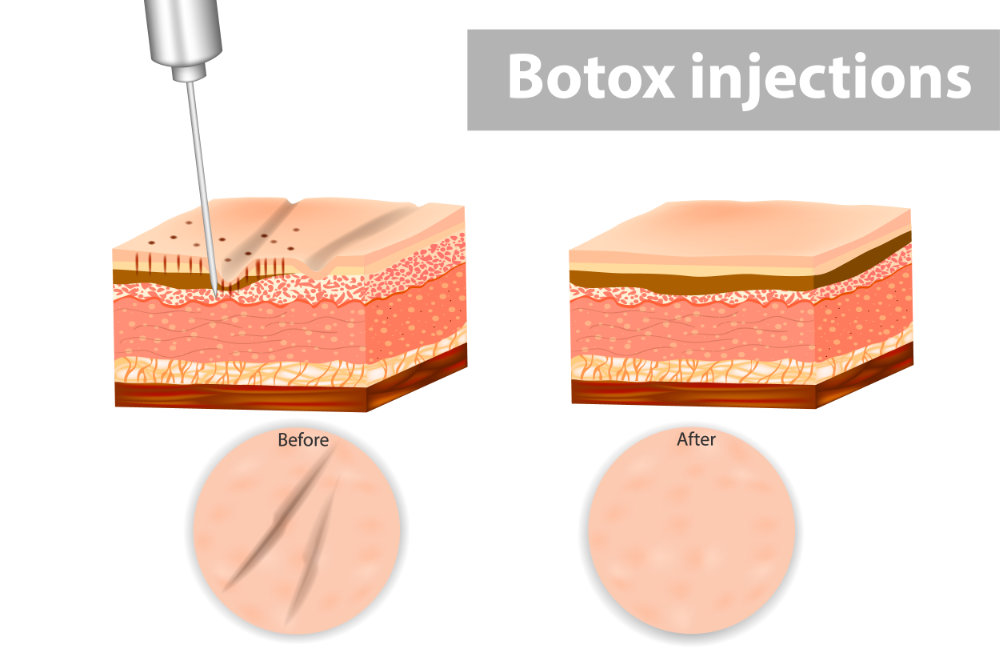
A simple way to think about it is this: Botox reduces movement, while fillers restore structure. One softens expression lines. The other replenishes fullness and contour.
Many patients benefit from both, as facial aging rarely occurs in only one way. A patient may have frown lines caused by muscle movement and also notice flatter cheeks or less definition along the jawline. Combining neuromodulators and dermal fillers can create more complete facial rejuvenation without surgery.
This is also why consultation matters. The right treatment depends on whether the concern is movement, volume loss, skin creasing, or a combination of all three. A personalized plan helps determine where Botox is most appropriate, where fillers may be more beneficial, and whether additional injectable options should be considered.
Rejuvify Med Spa offers a range of injectable treatments designed to address different signs of facial aging, from expression lines to volume loss and gradual collagen decline. Because each patient’s facial structure and goals are different, treatment plans are customized rather than based on a one-size-fits-all approach.
Softens expression lines by relaxing the facial muscles that cause repeated creasing over time. It is commonly used to treat forehead lines, frown lines, and crow’s feet while helping prevent those wrinkles from becoming more noticeable.
Restore natural facial volume while supporting skin hydration. These fillers are often used in the lips, cheeks, jawline, and other areas where added structure or softness can improve facial balance.
Encourage collagen production for gradual skin rejuvenation. Rather than creating immediate volume alone, these treatments help improve skin firmness and support over time.Every injectable treatment plan at Rejuvify Med Spa is tailored to the patient’s facial anatomy, degree of volume loss, wrinkle pattern, and aesthetic goals. This personalized approach helps create results that look balanced, refined, and natural.
There are several reasons patients choose injectable treatments over surgery or more invasive approaches. One of the biggest is convenience. Most appointments are short, and most patients can return to regular daily activities soon after treatment.
Another major benefit is that these treatments can address both early aging and more noticeable facial changes. Some patients use injectables preventatively, hoping to slow the development of deeper wrinkles. Others seek treatment because they have already noticed volume loss, contour changes, or lines that are becoming harder to ignore.
Injectables also allow for gradual, targeted enhancement. Patients do not have to make dramatic changes all at once. They can start conservatively, build gradually, and refine over time. That flexibility often makes treatment feel more approachable.
Natural-looking results are another reason cosmetic injectables remain so popular. When performed with precision, Botox and dermal fillers can help the face look smoother, softer, and better supported without changing the patient’s identity. The goal is not to erase every line or create an artificial version of youth. It is to support facial balance in a way that looks refreshed and believable.
For many patients, there is also a psychological benefit. Looking less tired, less tense, or more polished can improve confidence in professional and social settings. While aesthetic treatments are personal decisions, they often connect to how a patient wants to feel when they see themselves in photos, on video, or in the mirror.
The process usually begins with a consultation. During this visit, the injector assesses facial anatomy, listens to the patient’s concerns, reviews the patient's medical history, and develops a treatment plan. This step is important because two patients seeking the same outcome may require very different approaches, depending on muscle movement, facial proportions, and existing volume loss.
Once the plan is established, treatment is performed using precise injections with ultra-fine needles or cannulas, depending on the product and area. Most Botox appointments take 10 to 20 minutes. Filler appointments may take slightly longer, depending on the complexity of the areas being treated.
Patients often wonder how treatment feels. In most cases, discomfort is brief and manageable. Some fillers also contain lidocaine to improve comfort during placement. A patient may notice slight pressure, pinching, or tenderness depending on the area, but these sensations are typically short-lived.
Recovery is usually minimal. Mild redness, swelling, or bruising can occur, especially after dermal fillers, but many people return to work, errands, or other daily activities the same day. Providers also give aftercare instructions to help optimize healing and reduce unnecessary irritation.
Botox and dermal fillers are generally considered safe when performed by trained professionals using appropriate products and techniques. FDA-approved injectable products have been widely studied and are commonly used in medical aesthetic settings.
That said, safety depends heavily on provider experience, patient selection, and proper technique. The face contains complex anatomy, and treatment requires precision. This is especially true in areas such as the lips, under-eyes, temples, and jawline, where product placement can significantly affect both appearance and safety.
Common side effects include mild swelling, temporary redness, bruising, and tenderness at the injection site. These effects are usually temporary and manageable. More serious complications are uncommon but underscore the importance of choosing an experienced provider who understands facial anatomy and prioritizes conservative, well-planned treatment.
One of the most common questions patients ask is how long results will last. The answer depends on the treatment type, product used, metabolism, and treatment area.
Botox typically lasts around three to four months before muscle activity gradually returns. Some patients notice a slightly longer or shorter duration depending on their facial movement patterns and how regularly they maintain treatment.
Dermal fillers generally last longer. Depending on the product and area treated, fillers can last anywhere from six months to two years. Lip fillers often metabolize faster than deeper structural fillers used in the cheeks or jawline. Because of these differences, maintenance schedules are individualized rather than fixed.
Many patients prefer consistent maintenance because it helps preserve a steady look rather than waiting for results to fade completely. This is another reason treatment plans often evolve over time rather than relying on a single isolated appointment.
Most healthy adults who want to reduce wrinkles, restore facial volume, enhance contours, or address early signs of aging are good candidates for injectables. Ideal candidates often want improvement without surgery and are looking for treatments that fit more easily into everyday life.Some patients are interested in prevention.
They may not have deep wrinkles yet, but they notice early forehead lines or crow’s feet and want to take a proactive approach. Others are more focused on correction and want to restore lip shape, cheek volume, or jawline structure that has changed with time.
The best candidates are those with realistic expectations. Injectable treatments can produce meaningful improvement, but they are not intended to achieve the same level of change as surgery. They work best when the goal is refinement, balance, and targeted rejuvenation.
A consultation helps determine candidacy, identify the most appropriate treatment areas, and build a roadmap aligned with the patient's goals.

What does Botox treat?
Botox treats dynamic wrinkles such as forehead lines, frown lines, and crow’s feet. It can also be used on areas, such as the chin, nose, and neck.
How does Botox work to reduce wrinkles?
Botox relaxes targeted facial muscles that cause repeated creasing. This reduces the appearance of lines while maintaining natural expression.
How long does Botox last?
Results typically last about three to four months. Duration can vary depending on the patient and treatment area.
Are Botox injections painful?
Most patients report minimal discomfort during treatment. Ultra-fine needles help make the process quick and manageable.
What are dermal fillers made of?
Many dermal fillers are made from hyaluronic acid. This substance naturally occurs in the body and helps retain moisture and volume.
How long do dermal fillers last?
Fillers can last from six months to two years. Longevity depends on the product used and the treatment area.
What is the difference between Botox and fillers?
Botox relaxes muscles to soften dynamic wrinkles. Fillers restore volume and enhance facial contours.
Can Botox and fillers be done at the same appointment?
Yes, many patients receive both treatments during one visit. Combining them can create more balanced and comprehensive results.
How soon will I see results after Botox treatment?
Some results may appear within a few days. Full results typically develop within one to two weeks.
What areas of the face can dermal fillers treat?
Fillers can treat areas such as the lips, cheeks, jawline, and under-eyes. They are also used for nasolabial folds and facial contouring.
Are lip fillers safe?
Lip fillers are generally safe when performed by a qualified provider. Proper technique and product selection are essential.
Is there downtime after injectable treatments?
Downtime is minimal for most patients. Many people return to normal activities the same day.
How often should Botox treatments be repeated?
Botox is typically repeated every three to four months. Timing may vary based on individual muscle activity.
Can injectables prevent wrinkles?
Injectables can help slow wrinkle formation by reducing repetitive movement. They are often used as a preventive anti-aging approach.
How do I choose the best Botox provider in Los Angeles?
Choose an experienced provider who prioritizes natural results and facial balance. Personalized treatment planning is key to optimal outcomes.
At Rejuvify Med Spa, treatments are designed with facial harmony in mind. That means the goal is not simply to fill or freeze. It is to create results that look balanced, subtle, and appropriate for the patient’s facial structure. This level of planning matters because attractive results usually come from restraint, precision, and understanding how all facial features work together.
Patients also benefit from customized treatment planning rather than generic recommendations. Some need neuromodulators. Some need facial fillers. Some need a combination. Rejuvify’s approach emphasizes individualized care, patient education, and thoughtful technique so that treatment supports the face rather than overwhelming it.
Safety is also central to that process. Using advanced injectable techniques and taking time to assess anatomy, history, and goals helps support outcomes that look good and feel appropriate for the patient in the long term.
Choosing the right provider for Botox in Los Angeles or any cosmetic injectable treatment is about more than convenience. It is about experience, anatomical knowledge, aesthetic judgment, and a commitment to natural results. Contact us today!