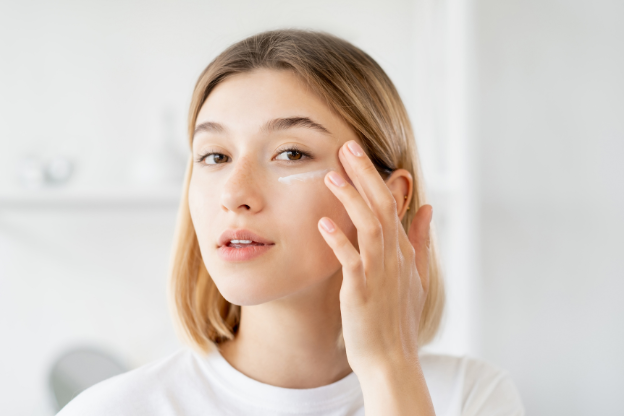
Under-eye concerns are some of the hardest to treat well. Dark circles, hollows, thin crepey skin, and a tired look around the eyes can have very different causes, and the right treatment depends on which one is behind what you see. Under-eye PRF, short for platelet-rich fibrin, has become a popular topic in Los Angeles because it uses a concentrate made from your own blood and is often discussed as a gentler alternative to filler for some patients.
Rejuvify Med Spa offers PRP and regenerative aesthetic options at its Beverly Grove clinic, 8407 W 3rd Street, Los Angeles, close to West Hollywood, Fairfax, and Beverly Hills. Whether under-eye PRF is appropriate for you, and how it would be done, is decided at a consultation based on your goals, your anatomy, and your health history.
This guide explains what PRF is, how it differs from PRP, how the treatment works, what it can and cannot realistically address, how it compares with filler and other options, what results and downtime to expect, what affects cost, and what to ask before you book.
Contact Us About Under-Eye PRF | Call (310) 962-8900
What Is PRF?
PRF stands for platelet-rich fibrin. It is a concentrate made from a small sample of your own blood. The blood is drawn, placed in a centrifuge, and spun so that its components separate. The portion that is collected contains platelets and a fibrin matrix, a natural scaffold made of proteins that the body uses in healing. That concentrate is then applied to the treatment area by a provider.
The idea behind PRF is that platelets carry growth factors, which are signaling proteins involved in tissue repair, and the fibrin matrix may help hold those signals in place and release them more gradually. Because the material comes from your own blood, it is not a synthetic product, and it is not a dermal filler in the traditional sense.
PRF vs. PRP: What Is the Difference?
PRP, or platelet-rich plasma, is also made from your blood, and the two are often confused. A key difference is in how they are prepared. PRP is typically spun in a way that uses an anticoagulant to keep the blood from clotting, which produces a liquid concentrate. PRF is generally prepared without an anticoagulant and at gentler spin settings, which allows a fibrin matrix to form. As a result, PRF tends to have a thicker, gel-like consistency and is often described as releasing growth factors more slowly.
Neither is automatically better. Which one is used depends on the area, the goal, and the provider’s protocol, and the two are sometimes discussed together. If you want a broader overview of PRP, see our guide to PRP injections in Los Angeles.
Why Under-Eye Concerns Happen
“Dark circles” is a catch-all term, and treating the wrong cause is the most common reason people are disappointed. Understanding what is behind your concern helps you and your provider choose a sensible plan.
- Volume loss and hollowing: as the tissue under the eye thins with age, a groove called the tear trough can become more visible and cast a shadow.
- Thin skin and visible vessels: very thin skin can let the blood vessels underneath show through, creating a bluish or purplish tone.
- Pigmentation: some people have naturally higher pigment around the eyes, which can be influenced by genetics, sun exposure, and skin type.
- Skin laxity and crepey texture: fine lines and crinkling can develop as collagen and elastin decline.
- Puffiness and fat pads: bulging under the eye can create a shadow below it, which can look like a dark circle.
- Lifestyle and health factors: sleep, allergies, and other factors can affect how the area looks, and persistent changes are worth discussing with a clinician.
These causes often overlap, which is why a hands-on assessment matters more than a product name.
How Under-Eye PRF Works
When under-eye PRF is applied, the goal is to support the skin and the tissue just beneath it. Providers who offer it often describe the intent as improving skin quality, thickness, and texture over time, and in some cases softening the look of mild hollowing. The growth factors in PRF are thought to encourage the body’s natural repair processes, which may help the area look more refreshed as the skin responds.
This is a gradual, biological process rather than an instant fill, which is why results are usually judged over weeks to months rather than at the end of the visit. The evidence for cosmetic under-eye PRF use is still developing, and it is generally considered off-label, so results vary and a provider should be honest about what is and is not known.
What Under-Eye PRF May Help With
- crepey, thin, or fine-lined skin under the eyes
- mild dullness or loss of freshness in the area
- mild, early hollowing in selected patients
- skin quality as part of a broader rejuvenation plan
What Under-Eye PRF May Not Help With
- significant under-eye bags caused by fat pad bulging, which may need a different approach, including surgery
- deep, structural tear troughs that need volume rather than skin support
- pigmentation-driven dark circles that depend on skin pigment more than thickness
- concerns caused by medical issues, which should be evaluated by a clinician
What Happens During an Under-Eye PRF Treatment?
Protocols differ between providers, so the details below are a general outline. Your provider explains the exact approach used at your visit.
- 1. Consultation and assessment: your provider examines the area, reviews your history and medications, and explains whether PRF is a good fit.
- 2. Blood draw: a small amount of blood is drawn from your arm, similar to a routine lab draw.
- 3. Preparation: the blood is processed in a centrifuge to create the PRF concentrate. This usually takes a short time while you wait.
- 4. Numbing and cleansing: the area is cleansed, and numbing may be used depending on the technique.
- 5. Application: the PRF is placed under or into the skin of the under-eye area, often with fine needles or a cannula, depending on the provider’s method. Some protocols pair PRF with microneedling.
- 6. Aftercare instructions: you receive guidance on what to expect and what to avoid in the days that follow.
The whole visit often takes less than an hour, though timing depends on the protocol and the preparation involved.
Under-Eye PRF vs. Filler vs. Other Options
Many patients ask whether under-eye PRF can replace filler. They do different things, and neither is right for everyone.
- Under-eye PRF: Uses your own platelet and fibrin concentrate to support skin quality. Often considered for thin, crepey skin and mild changes. Results are gradual, over weeks to months.
- Under-eye PRP: Uses a liquid platelet concentrate from your blood. Often considered for similar goals, and the protocol varies by provider. Results are gradual, over weeks to months.
- Dermal filler: Adds volume with a gel placed in the tear trough area. Often considered for visible hollows and tear troughs. Results are often visible right away.
- Microneedling or Morpheus8: Stimulates the skin with fine needles or radiofrequency. Often considered for texture, laxity, and fine lines. Results are gradual and often need a series of sessions.
- Surgery (blepharoplasty): Removes or repositions tissue. Often considered for significant bags or excess skin. Results and recovery depend on the surgeon.
Some patients combine approaches or move between them over time. For a deeper comparison of PRP and filler under the eyes, see our guide to PRP vs. fillers for under-eye rejuvenation.
Who May Be a Candidate for Under-Eye PRF?
Under-eye PRF may be worth discussing if you have thin, crepey skin or mild early changes under the eyes, prefer an approach that uses your own biology, and are comfortable with gradual results rather than instant volume. Be ready to share your medications and supplements, any bleeding or clotting concerns, prior eye-area procedures, and any history of eye or skin conditions.
When Under-Eye PRF May Not Be Right
A provider may recommend a different approach, or a medical evaluation first, if you have certain blood or platelet disorders, take blood thinners, have an active infection or skin condition in the area, are pregnant or breastfeeding, or have concerns that under-eye PRF is unlikely to address, such as significant bags or deep hollows. If your under-eye changes are sudden, one-sided, or accompanied by other symptoms, see a clinician for evaluation before pursuing a cosmetic treatment.
Results: What to Expect and When
Because under-eye PRF works through the body’s own response, you should not expect a dramatic change the same day. A realistic timeline looks something like this, though it varies by person and protocol.
- First days: some swelling, redness, or bruising is possible, and the area may look slightly puffy.
- First two weeks: swelling settles and any bruising fades.
- Weeks to months: if the skin responds, you may notice a gradual improvement in texture and freshness as the body’s repair processes continue.
Some providers recommend a series of treatments spaced apart, while others suggest a single session followed by reassessment. How many sessions you need depends on your goals and how your skin responds, and the provider should explain this at the consultation rather than quoting a fixed number.
Setting Realistic Expectations
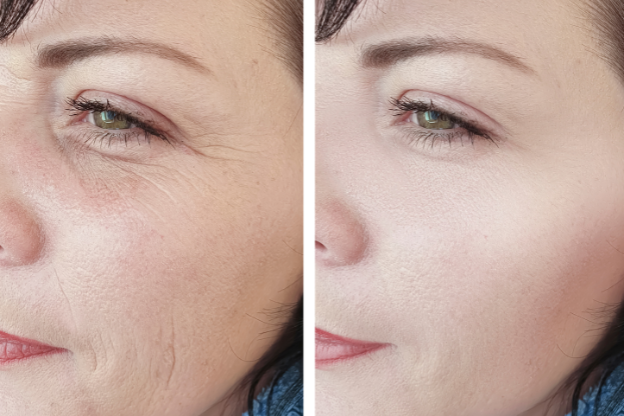
Under-eye PRF is best viewed as a skin-quality and rejuvenation treatment, not as a way to erase deep hollows or remove bags. Before-and-after photos can be useful, but photographic lighting, angle, and individual variation mean your results may differ. A trustworthy provider will be upfront about what is likely and what is not.
What Affects Under-Eye PRF Cost in Los Angeles?
Pricing for under-eye PRF varies between providers, and the number on a menu is not the whole picture. Factors that commonly affect cost include:
- The protocol used, such as PRF alone or PRF combined with another treatment
- How many sessions your plan includes
- Whether the price covers the blood draw, preparation, and follow-up
- The provider’s training and experience
- Membership or financing options
Ask whether a quoted price is per session or per package, and what a full plan is likely to cost. Rejuvify also offers memberships (Essential at $99 per month and Elite at $149 per month) and Cherry financing, subject to its terms and eligibility. Confirm current pricing, inclusions, and financing details with the office before enrolling.
Possible Side Effects and Safety
Because under-eye PRF uses your own blood, it avoids some risks associated with foreign materials, but it is still an injectable procedure and carries risks. Common temporary effects include swelling, redness, tenderness, and bruising. Less common effects include lumps, uneven texture, or discoloration. Infection is uncommon but possible with any injection.
When to Call the Office
Contact the clinic promptly if you notice worsening pain, increasing swelling or redness, fever, drainage, or any change in vision. Seek emergency care right away for sudden vision changes or severe pain, since the under-eye area sits close to important structures.
Why Provider Experience Matters
The skin under the eyes is thin, and the anatomy around it is delicate. Technique, depth, and knowing when not to treat all matter. Ask who will perform your treatment, how often they treat this area, and what their plan is if something does not look right.
How to Prepare for Your Appointment
- Bring a list of your medications and supplements, and ask whether any should be paused. Never stop a prescribed medication without your clinician’s advice.
- Stay well hydrated, since it can make the blood draw easier.
- Eat beforehand, as you will be having blood drawn.
- Arrive without eye makeup so the area can be cleansed.
- Plan your schedule around possible swelling or bruising, especially before events.
- Bring photos or notes about what bothers you, and what you hope to change.
Questions to Ask Before You Book
- Is PRF or PRP the better fit for my concern, and why?
- What do you expect it to improve, and what will it not change?
- How many sessions will I likely need, and how far apart?
- What is the total cost of the full plan?
- What downtime and side effects should I expect?
- Who will perform the treatment, and what is their experience in this area?
- What are my alternatives if I am not a good candidate?
What to Expect During a Visit
- Contact the clinic. Call (310) 962-8900 or use the Contact Us page to ask about under-eye PRF. Avoid sending sensitive medical details through the general website form.
- Meet with the provider. The provider examines the under-eye area, reviews your goals, medications, and health history, and tells you honestly whether PRF suits your concern.
- Build a plan. You discuss the protocol, expected number of sessions, timing, cost, and alternatives. You can ask questions before deciding.
- Treatment and aftercare. If treatment is appropriate, the provider draws blood, prepares the PRF, treats the area, and reviews aftercare and when to call the office.
Recovery and Realistic Results
Most people can return to normal activities soon after, though swelling, redness, or bruising around the eyes may be noticeable for several days. Your provider reviews what to avoid, such as heavy exercise, heat, or rubbing the area, and may suggest ways to keep makeup and skincare gentle during healing.
Because under-eye PRF works gradually, follow-up visits are used to check how your skin is responding and decide whether another session makes sense.
Why Results Differ From Person to Person
Age, skin thickness, the cause of your under-eye concern, lifestyle, and how your body responds to the treatment all influence results. No outcome can be promised, which is why goals and expectations are discussed during the consultation.
Under-Eye PRF FAQs
What is under-eye PRF?
Under-eye PRF uses platelet-rich fibrin, a concentrate made from your own blood, applied to the under-eye area with the goal of supporting skin quality and a more refreshed look. Results vary and develop gradually.
What is the difference between PRF and PRP under the eyes?
Both come from your blood. PRP is typically a liquid concentrate prepared with an anticoagulant, while PRF is prepared without one and forms a gel-like fibrin matrix. Which one is used depends on the provider and your goals.
Does under-eye PRF work for dark circles?
It depends on the cause. Under-eye PRF may help when thin or crepey skin contributes to dark circles, but it may not address pigmentation, deep hollows, or bags. An assessment helps determine what is likely to help.
How long does under-eye PRF last?
Duration varies by person and protocol. Because results build gradually, a provider typically assesses how you respond and recommends a maintenance plan if one is appropriate.
How many sessions might I need?
It depends on your goals, skin, and the protocol. The provider discusses a realistic plan rather than a fixed number of sessions.
Is under-eye PRF painful?
Many people describe pressure or a mild pinch, and numbing may be used depending on the technique. The provider can explain what to expect.
What is the downtime for under-eye PRF?
Many people have swelling, redness, or bruising for several days, and some return to normal activities quickly. The provider reviews specific aftercare instructions.
How does under-eye PRF compare with filler?
Filler adds volume right away and is often used for visible hollows, while under-eye PRF supports skin quality gradually. Some patients are better suited to one, the other, or a combination.
Who should not get under-eye PRF?
People with certain blood or platelet disorders, those taking blood thinners, people with active infection in the area, or those who are pregnant or breastfeeding may need a different approach. Tell the provider your full history.
How much does under-eye PRF cost in Los Angeles?
Cost varies with the protocol, number of sessions, and provider. The team explains current pricing after a consultation, and membership and financing options may apply.
Related Rejuvify Services
- PRP Injections in Los Angeles (existing blog)
- PRP Injections vs. Fillers for Under-Eye Rejuvenation (existing blog)
- Dermal Fillers in Los Angeles
- Morpheus8 (service page)
- Memberships
Book a Consultation
Rejuvify offers consultations for Los Angeles patients considering under-eye PRF and other rejuvenation options. Bring your questions and goals, and the team will help you understand your options.
Call (310) 962-8900 | Contact Us About Under-Eye PRF